All Categories
Featured

Why Deep Integration Is Vital for Modern Business
Table of Contents
Wish to discover more about O1, EB1A and EB5? Schedule a complimentary assessment- Join our neighborhood to get first access to functions and recommendations - - Follow to remain upgraded on high-skilled immigration, jobs, and tech.
Construct a scalable AI technique based upon insights from effective IT leaders and company choice makers. In, you'll discover best practices across 5 motorists of success consisting of: Ensure AI jobs line up to service goals. Lay the foundation for trusted, scalable services. Develop repeatable procedures that provide tangible organization worth.
Deploy AI that meets security, personal privacy, and regulatory requirements.
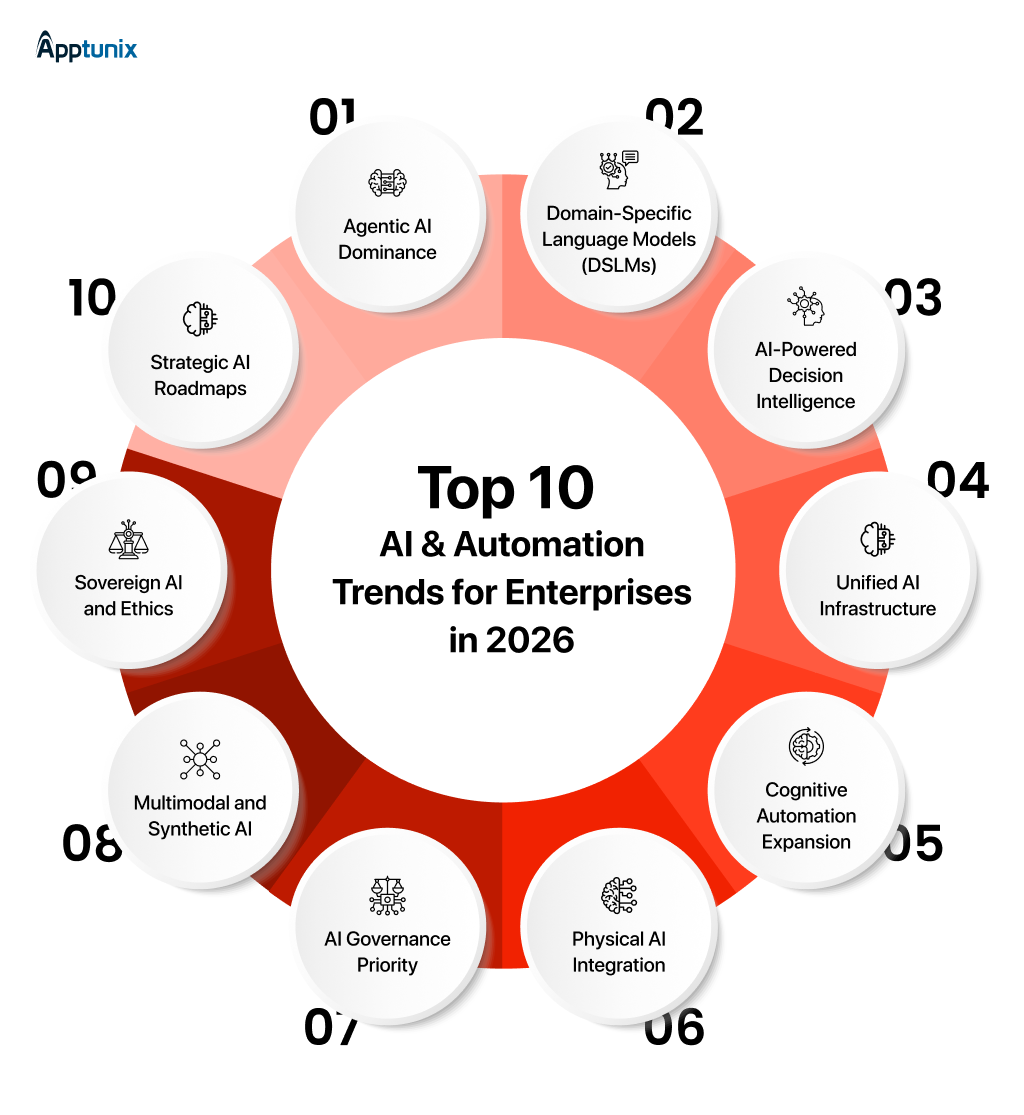
In 2026, companies will not ask whether they must embrace AI, but rather how effectively and properly they can embed it into every layer of their organization. The concept of business AI adoption is no longer restricted to automating a few procedures; it represents a fundamental shift in how enterprises think, decide, run, and grow.
Leveraging Potential Through Transformative Cloud Modernization
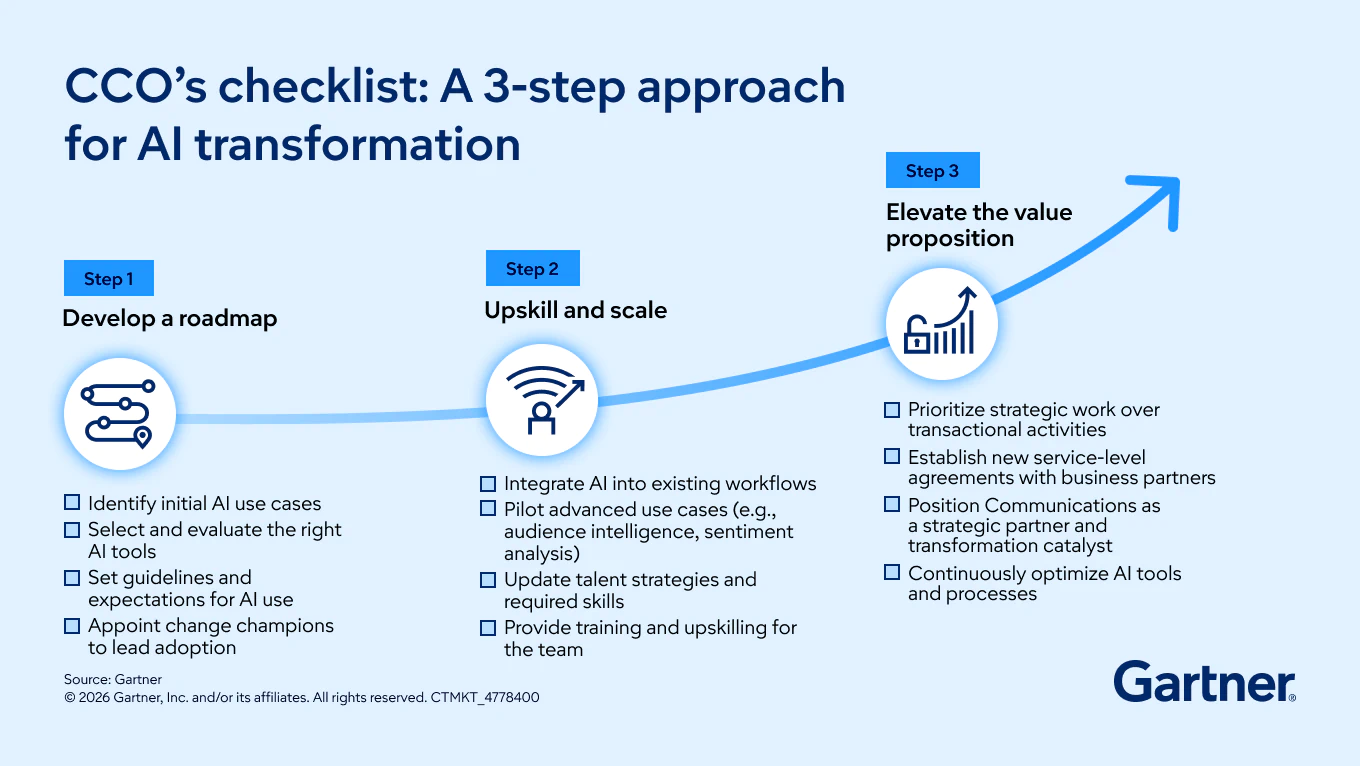
It likewise discusses a total AI execution technique, introduces a scalable AI adoption structure, and lays out proven business AI best practices that companies should follow to succeed in the next generation of digital organization. An AI roadmap 2026 is a structured and forward-looking plan that defines how a company will embrace, scale, and govern expert system over the next couple of years.
The importance of an AI roadmap lies in its ability to bring clearness and positioning. Without a roadmap, enterprises frequently buy several disconnected AI tools that stop working to provide quantifiable service worth. A roadmap, on the other hand, assists leaders recognize priorities, designate resources successfully, manage risks, and measure progress in time.
A well-defined AI adoption structure supplies a structured design for guiding enterprises through the complex journey of AI change. This structure makes sure that AI adoption is organized, scalable, and sustainable rather than fragmented and reactive. The most efficient AI adoption structure for 2026 includes 6 interconnected phases: tactical positioning, data readiness, usage case design, AI development, governance, and scaling.
The AI Impact On Next-Gen Business ModelsEnterprises continuously refine their AI strategy based on new data, developing service objectives, regulative changes, and technological advancements. The first and most important step in enterprise AI adoption is developing a clear strategic vision.
In this phase, service leaders should determine how AI supports their long-lasting goals, whether it is improving consumer fulfillment, increasing revenue, lowering operational expenses, or enhancing threat management. AI efforts should be lined up with corporate technique, market positioning, and competitive differentiation. Strong executive sponsorship is essential at this phase. AI transformation needs cultural change, financial investment, and cross-department collaboration, which can not succeed without leadership dedication.
Emerging Enterprise Trends in Modern Integration
Information is the lifeline of AI. Without premium, available, and well-governed data, even the most advanced AI systems will fail. This makes information readiness a foundation of any AI implementation method. Enterprises needs to assess the maturity of their information environment, consisting of data sources, information quality, storage systems, and governance practices.
Enterprises needs to purchase centralized data platforms, cloud or hybrid infrastructures, real-time data pipelines, and strong information governance structures. Data privacy, security, and compliance with guidelines such as GDPR and emerging AI laws should likewise be integrated into the information technique. This phase ensures that AI systems are developed on trustworthy, ethical, and scalable data structures.
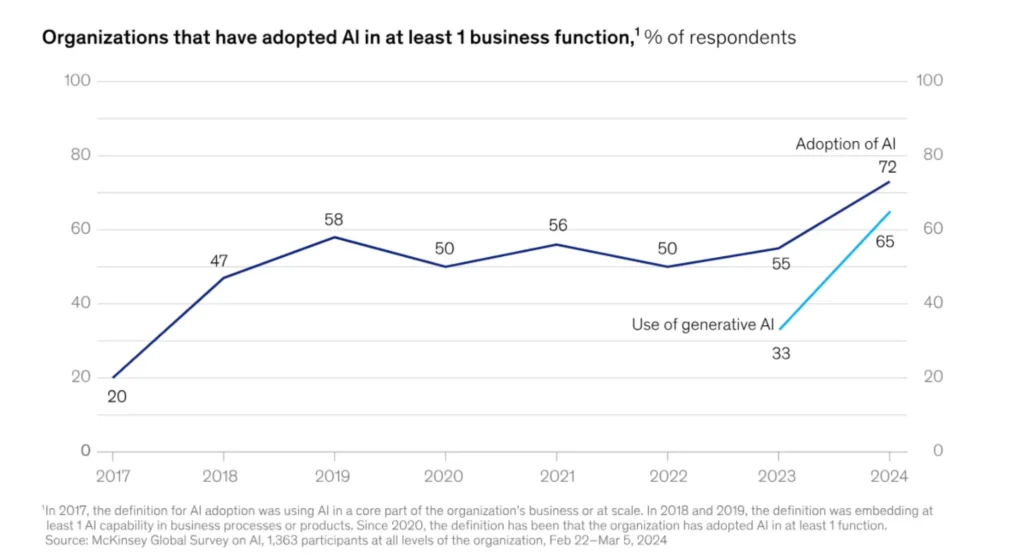
Not every process needs to be automated, and not every issue needs AI. Smart business AI adoption focuses on use cases that deliver quantifiable service impact.
Transitioning From Old Systems to AI-Ready Cloud Infrastructure
Each usage case need to be evaluated based upon organization value, technical expediency, data availability, and danger. Enterprises must begin with workable jobs that show quick wins, build internal self-confidence, and develop momentum for larger initiatives. This stage involves building, training, and releasing AI designs into genuine organization environments. It includes picking suitable maker knowing methods, training designs on enterprise information, testing performance, and incorporating AI systems with existing applications.
Business leaders must understand how AI shows up at decisions to guarantee trust and responsibility. This ensures that AI systems remain precise, appropriate, and secure over time.
An enterprise-level AI governance framework consists of clear responsibility structures, ethical guidelines, threat assessment procedures, and human oversight systems. This guarantees that AI systems line up with organizational worths, legal standards, and societal expectations. Accountable AI will not be optional. Clients, regulators, and staff members will demand transparency, fairness, and explainability from AI-driven choices.

Latest Posts

Optimizing ROI Via Cloud-First AI Workflows

Mapping the Long-Term Outlook of Business Systems
A Comprehensive Artificial Intelligence Adoption Roadmap for Success