All Categories
Featured
Table of Contents
Let's clarify with an example from customer service: Suppose a business moves from phone-based assistance to email or introduces a chatbot for after-hours queries. These are: utilizing technology to improve an existing process.
Digital improvement fundamentally changes the nature of support, making it more innovative, individual, and always readily available. That's digital change: an essential shift in how value is provided through technology.
Most digital change efforts focus on these key areas: Automated workflows change manual processes, lowering errors, increasing efficiency, and enabling workers to concentrate on higher-value jobs. Continually reassessing how worth is provided by streamlining digital journeys, speeding up assistance, and personalizing experiences across all channels. Tradition systems typically sluggish development.
Smart Planning for the 2026 AI-Cloud Shift
Real-time data and analytics supply insights into efficiency and consumer behavior, making it possible for smarter, much faster choices. Unifying platforms and procedures break down department silos, improves collaboration, and provides management a thorough view of operations. As connectivity boosts, so do threats. Strengthening security, safeguarding data personal privacy, and meeting regulative requirements are essential to minimizing disturbances.
According to Harvard Organization Review, effective digital change tends to involve five interconnected aspects:: Getting the ideal leadership, culture, and talent in place.: Gathering tidy, high-quality data across systems.: Turning that information into functional insights through analytics.: Operationalizing insights across workflows, systems, and decisions.: Measuring results and refining methods based on performance.
Other well-established frameworks, like McKinsey's 7S design or BCG's Digital Acceleration Index, likewise highlight the importance of aligning strategy, structure, and individuals to drive meaningful change. The precise framework matters less than ensuring all components of the organization are aligned and progressing together. The five main components of digital change consist of individuals, information, insights, action and results.
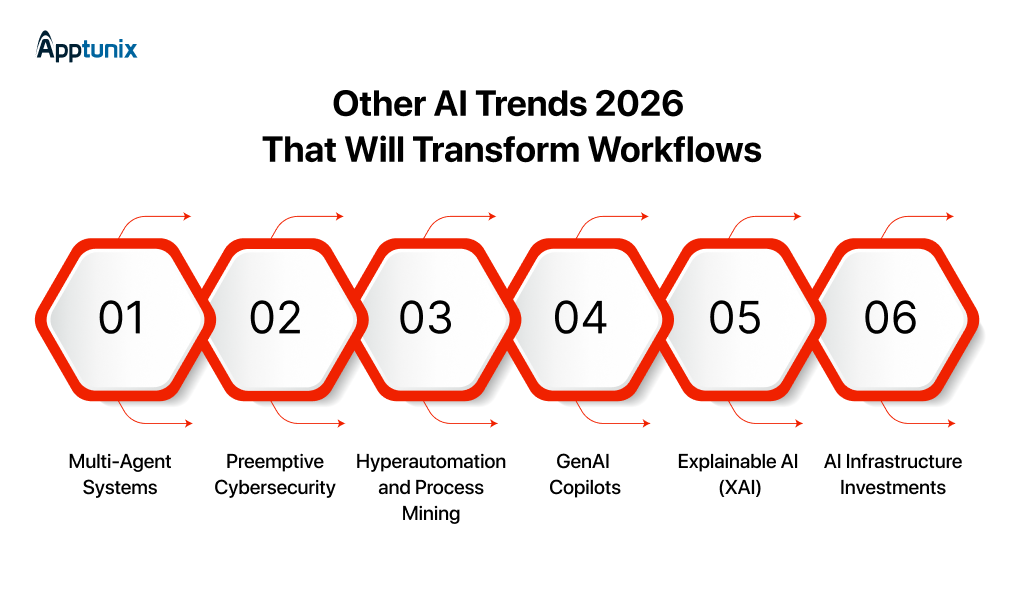
Essential Steps to Realizing Total Digital Transformation
Here are some specific real-world benefits can you anticipate: Leveraging the most recent technologies enables you to reassess your entire business design. Early adoption or pioneering new tools can assist you approach obstacles in special methods, grow market share, and remain ahead while competitors are still catching up. Digital transformation enables you to boost the client journey from start to finish.
Does Your Cloud Method Account for Australian Privacy Laws?Automating manual jobs simplifies workflows, decreases errors, and frees employees to concentrate on higher-value work. These efficiencies cause cost savings through better resource allocation, less bottlenecks, and, in some cases, decreased staffing needs. Real-time data and integrated systems provide groups with improved presence, allowing your business to react and adapt rapidly to market modifications, client demands, or internal difficulties.
Adopting cutting-edge innovation is pricey, particularly when establishing brand-new solutions. Beyond the innovation itself, training, recruitment, and unexpected downtime can include to expenses.
Without buy-in from management and personnel, digital transformation is most likely to fail. Rolling out digital transformation at one time is hardly practical: the scope is too broad and the threat is too expensive. Rolling out brand-new systems gradually can result in combination issues with existing legacy facilities, leading to data silos, traffic jams, and aggravation for staff members and customers.
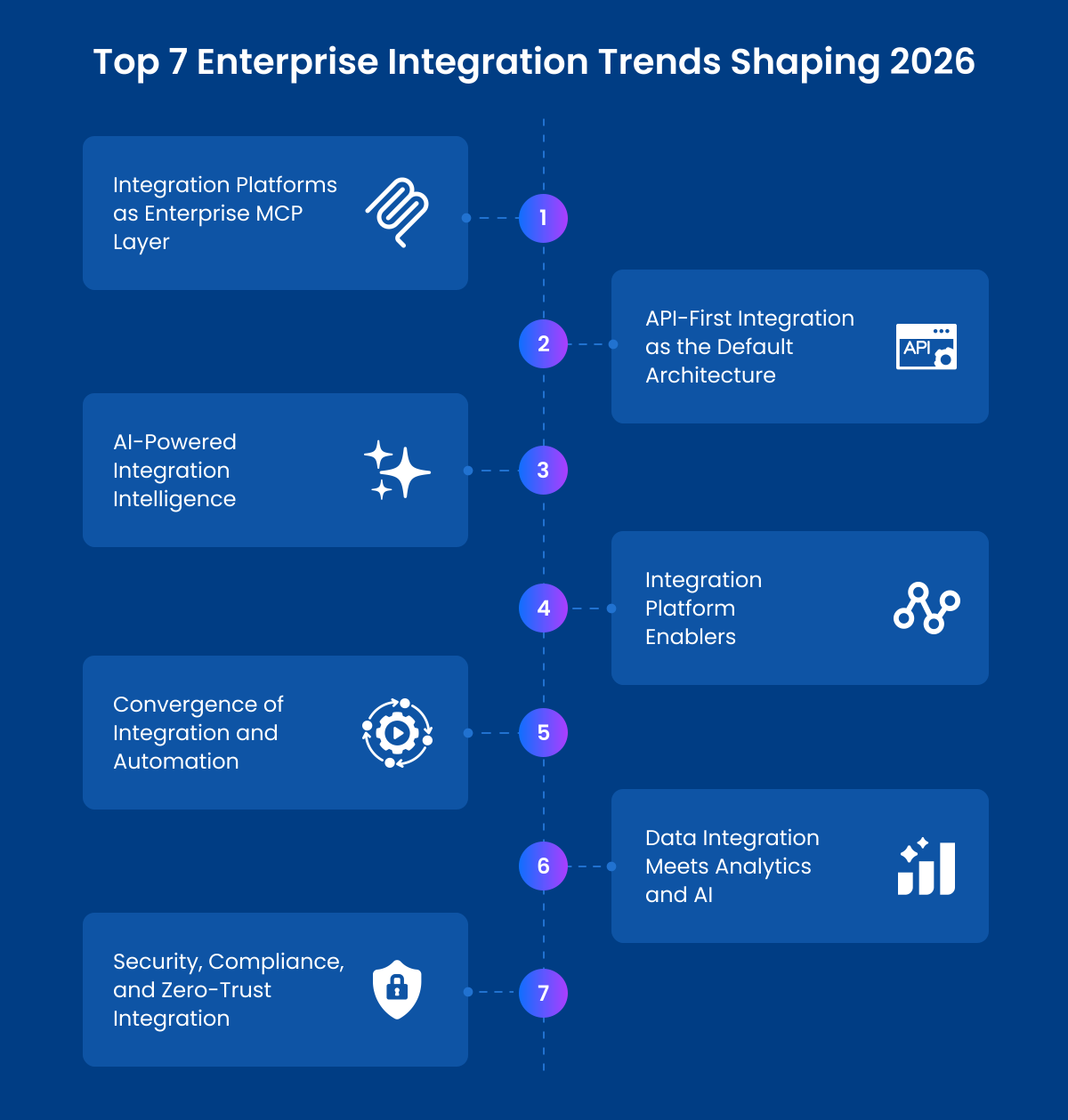
There's no single blueprint for digital improvement. Effective techniques do share some typical traits: they're grounded in organization objectives, flexible enough to develop with emerging tech, and customized to an organization's individuals, processes, and market.
Aligning Organization Goals with AI Facilities CostsSteering the Cloud and AI Integration in 2026
Start by determining the key outcomes you desire to achieve. Are you trying to minimize expenses, grow profits, improve consumer experience, or build more resistant infrastructure!.?.!? The most effective strategies are developed backward from preferred results to the technologies and procedures that can provide them. Your strategy may include numerous focus areas depending upon what you're trying to accomplish:: Streamline processes utilizing automation, cloud migration, and AI-based optimization to minimize expenses and boost speed.
: Introduce new products, services, or delivery designs (like digital memberships, marketplaces, or self-service platforms) to produce new profits streams.: Gear up staff members with digital tools, make it possible for remote partnership, and purchase upskilling to support change from within.: Strengthen cybersecurity, improve compliance, and design systems that are more versatile and fault-tolerant.

Latest Posts
Optimizing ROI Via Cloud-First AI Workflows
Mapping the Long-Term Outlook of Business Systems
A Comprehensive Artificial Intelligence Adoption Roadmap for Success