All Categories
Featured
Is Deep Convergence Is Essential for Modern Business
Table of Contents
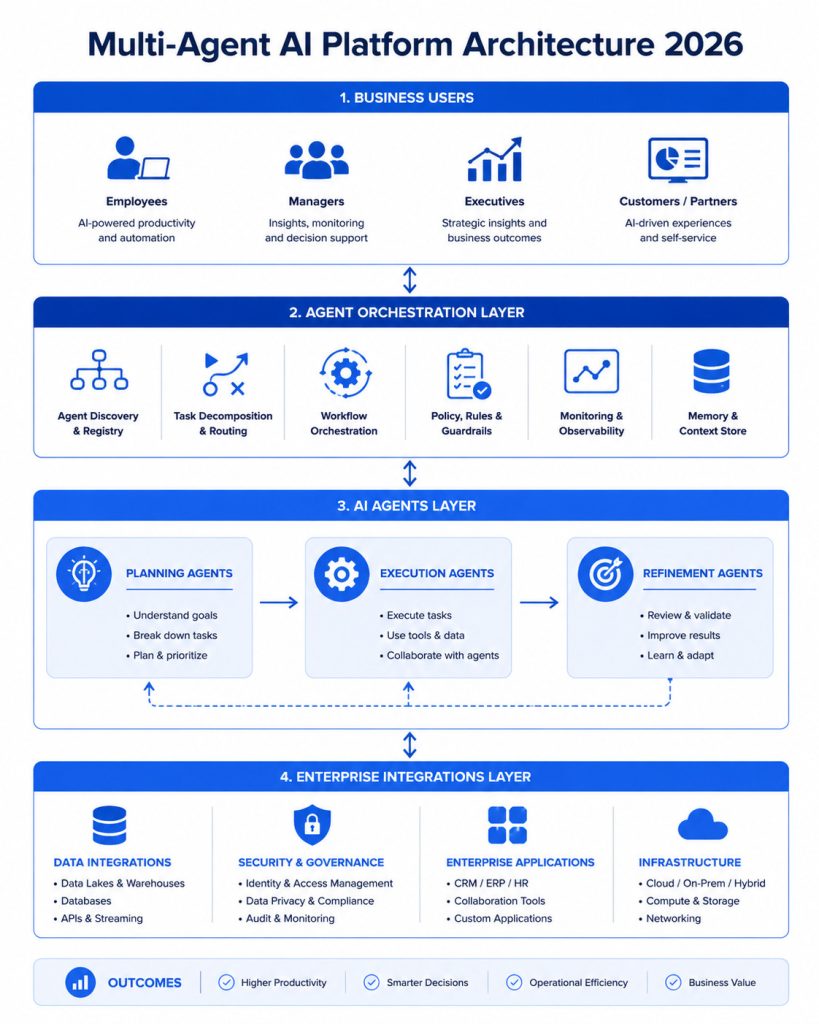
Service and private Usage Microsoft 365 Copilot adapters to include data. Data management, general IT, or developer abilities Platform as a service is the beginning point for the majority of customized apps and agents. Choose it when low-code SaaS advancement can't give you enough personalization but you still desire Microsoft to run the platform for you.
This work takes more effort than SaaS advancement but less effort than running facilities yourself. Microsoft handles the platform and you do not maintain servers or train the base models.: A handled platform offers you more control than SaaS advancement, however it requires engineering ability that SaaS development alternatives don't.
See Representative lifecycle Consuming model tokens, storage, functions, calculate, grounding connections Develop RAG applications Yes Select designs, managing dataflow, chunking information, improving pieces, choosing indexing, understanding inquiry types (full-text, vector, hybrid), understanding filters and aspects, carrying out reranking, timely engineering, deploying endpoints, and consuming endpoints in apps Compute, variety of tokens in and out, AI services taken in, storage, and data transfer Fine-tune GenAI designs Yes Preprocessing data, splitting data into training and recognition data, verifying models, configuring other parameters, enhancing designs, deploying models, and consuming endpoints in apps Calculate, number of tokens in and out, AI services taken in, storage, and data transfer Train and inference designs or Yes Preprocessing data, training models by using code or automation, improving models, releasing artificial intelligence designs, and consuming endpoints in apps Compute, storage, and information transfer Consume prebuilt AI designs and services Yes Select AI models, securing endpoints, consuming endpoints in apps, and tweak as required Use of model endpoints taken in, storage, data transfer, compute (if you train customized models) Separate AI apps Yes Select AI models, managing dataflow, chunking information, enriching portions, picking indexing, comprehending question types (full-text, vector, hybrid), understanding filters and facets, carrying out reranking, timely engineering, releasing endpoints, and consuming endpoints in apps; optional environment/VNet configuration for network seclusion (regional availability and function status may differ) Compute, number of tokens in and out, AI services taken in, storage, and data transfer See the specific pricing pages for products listed under AI + artificial intelligence and the Azure rates calculator to produce cost quotes. It usually takes the longest to build and requires the most effort to preserve gradually. Select this option when you need to bring your own designs, utilize custom runtimes, or fulfill performance and compliance needs that managed platforms can't.: Infrastructure offers the most control, but it brings the most operational ownership.
Leveraging Value Through Transformative Cloud Modernization
Use the Azure prices calculator for estimates. Whatever design and budget plan you choose in the actions above, responsible usage is a condition of running AI in production at scale. Your company needs to set the requirements that keep AI fair and responsible for each group. The designs you picked determine where these standards use, but the standards themselves stay consistent throughout the organization.
See the CAF guidance to produce Accountable AI policies to put a constant framework in place. A responsible AI requirement is only as strong as the information behind it, so your information strategy comes next. Your information strategy figures out whether your priority usage cases have governed and premium data to deal with.
Is Deep Convergence Is Vital for Modern Business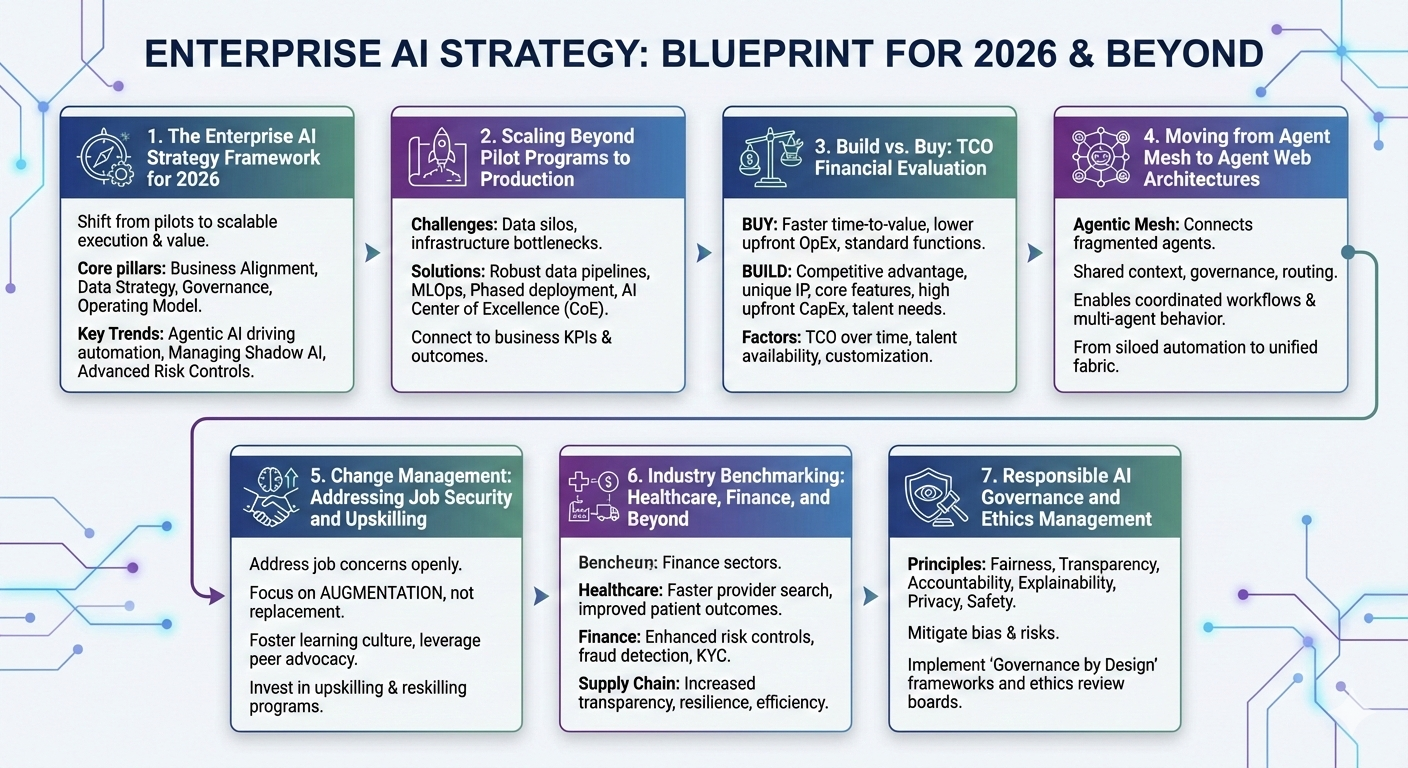
Focus on governance standards and lifecycle management rather than per-workload design. See the CAF assistance to produce a Data technique for AI and analytics. With the technique set, relocate to preparation and readiness. The AI adoption assistance provides start-up and enterprise lists that carry each choice above into production with governance and security built in.
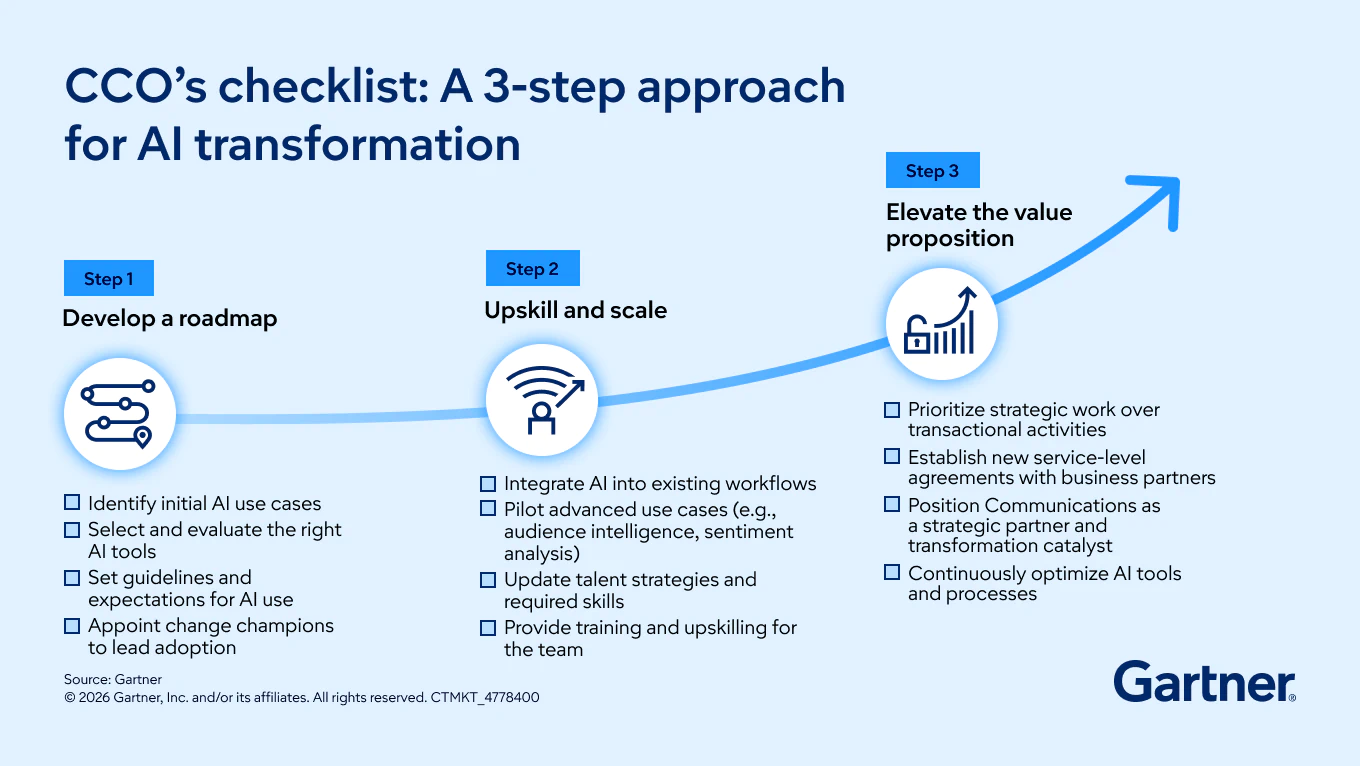
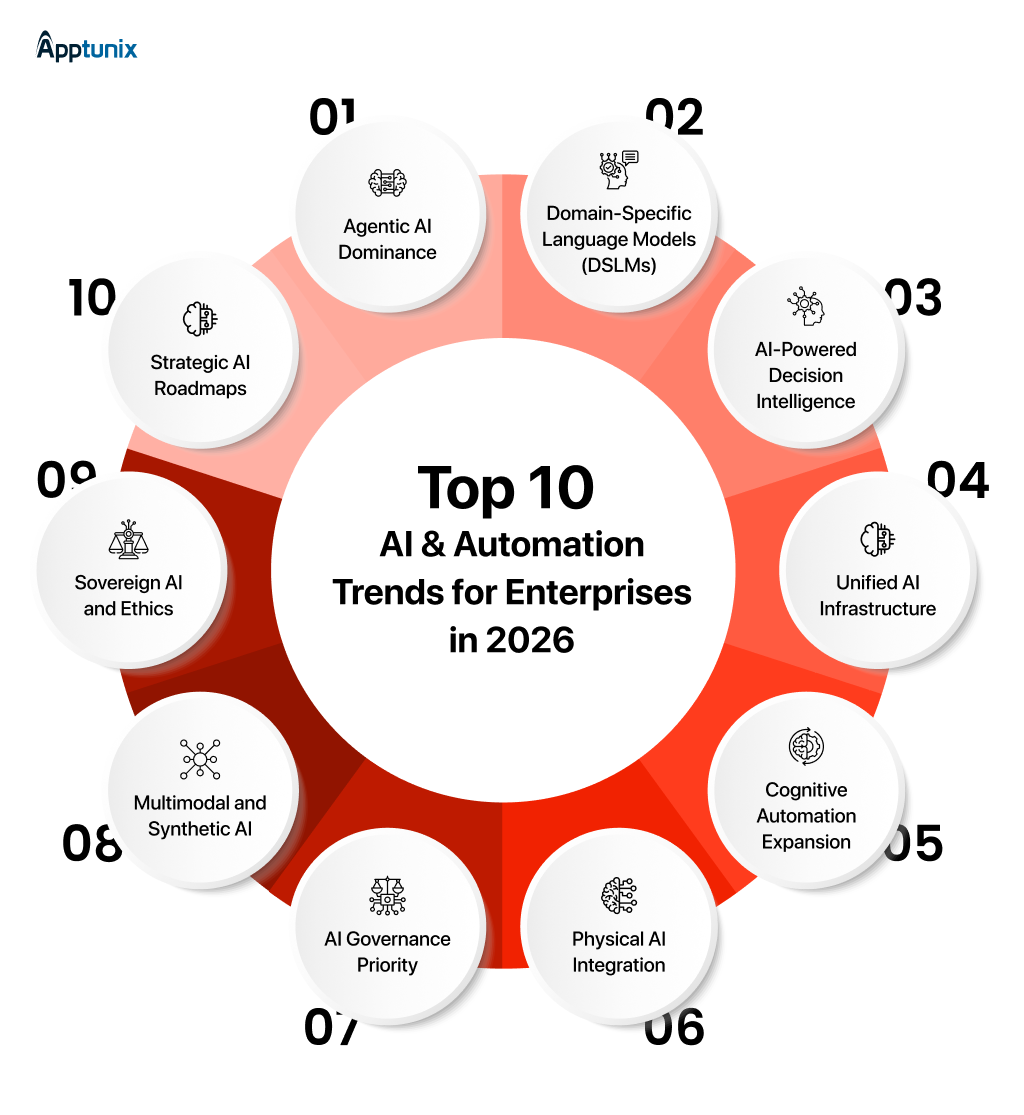
The Complete AI Adoption Roadmap for Modern Organizations Many companies don't stop working at AI since of innovation They stop working due to the fact that they do not understand the series of embracing it. This roadmap reveals precisely how mature AI-driven companies develop, step by step. 1. AI Strategy Develop the structure: specify the AI vision, evaluate market patterns, and create a strategic instructions.
AI Value Start small with high-value usage cases and pilots. AI Company Produce structure for AI success-teams, leadership, and running models. Mature organizations add centers of excellence, AI comms practice, and collaborations that speed up business adoption.
Future-Proof Enterprise Modernization for the 2026 Shift
AI People & Culture Prepare your workforce for the AI age. AI Governance Start with dangers, ethics, and standard policies.

Latest Posts

Optimizing ROI Via Cloud-First AI Workflows

Mapping the Long-Term Outlook of Business Systems
A Comprehensive Artificial Intelligence Adoption Roadmap for Success