All Categories
Featured
Essential Foundations for a Successful 2026 Digital Shift
Table of Contents
These platforms support modern architectures like microservices and serverless computing, allowing enterprises to.
These tools use, making them a preferred option for business aiming to modernize their applications while preserving dexterity. Architectural observability tools, such as vFunction, are vital for modernizing legacy business applications by offering presence into their complex structures and reliances. As these systems age, they become harder to manage and update without danger.
This assists groups move quick to prioritize which elements to modularize and update first. Discover more, see: Monoliths to Microservices DevOps practices and tools, such as Jenkins, GitLab, and Ansible, help with continuous integration and continuous release (CI/CD), which is crucial for speeding up modernization. By automating release pipelines and improving cooperation in between development and operations teams, DevOps tools help ensure much faster, more dependable software application shipment.
AI-driven features, such as, include substantial worth, enabling enterprises to optimize operations and provide personalized client experiences. Selecting the right combination of these tools is critical to the success of your enterprise application modernization efforts, making sure that your legacy applications are not just upgraded however also enhanced for future growth and development.
Tradition systems often involve outdated innovations and architectures, making them tough to comprehend and update. Common mistakes throughout migration consist of mismatched information formats and incomplete data transfers, which can be prevented with meticulous preparation and testing. Modernization projects typically include multiple stakeholders with differing priorities and goals.
Reliable communication and collaborative decision-making processes are essential to lining up stakeholder objectives with the total modernization technique. Modernization impacts not only innovation however also organizational culture and workflows. It's important to manage the of this transition, attending to resistance to alter and guaranteeing smooth operational shifts. Methods for handling these changes include clear interaction, training programs, and phased rollouts to reduce interruption and encourage adoption.
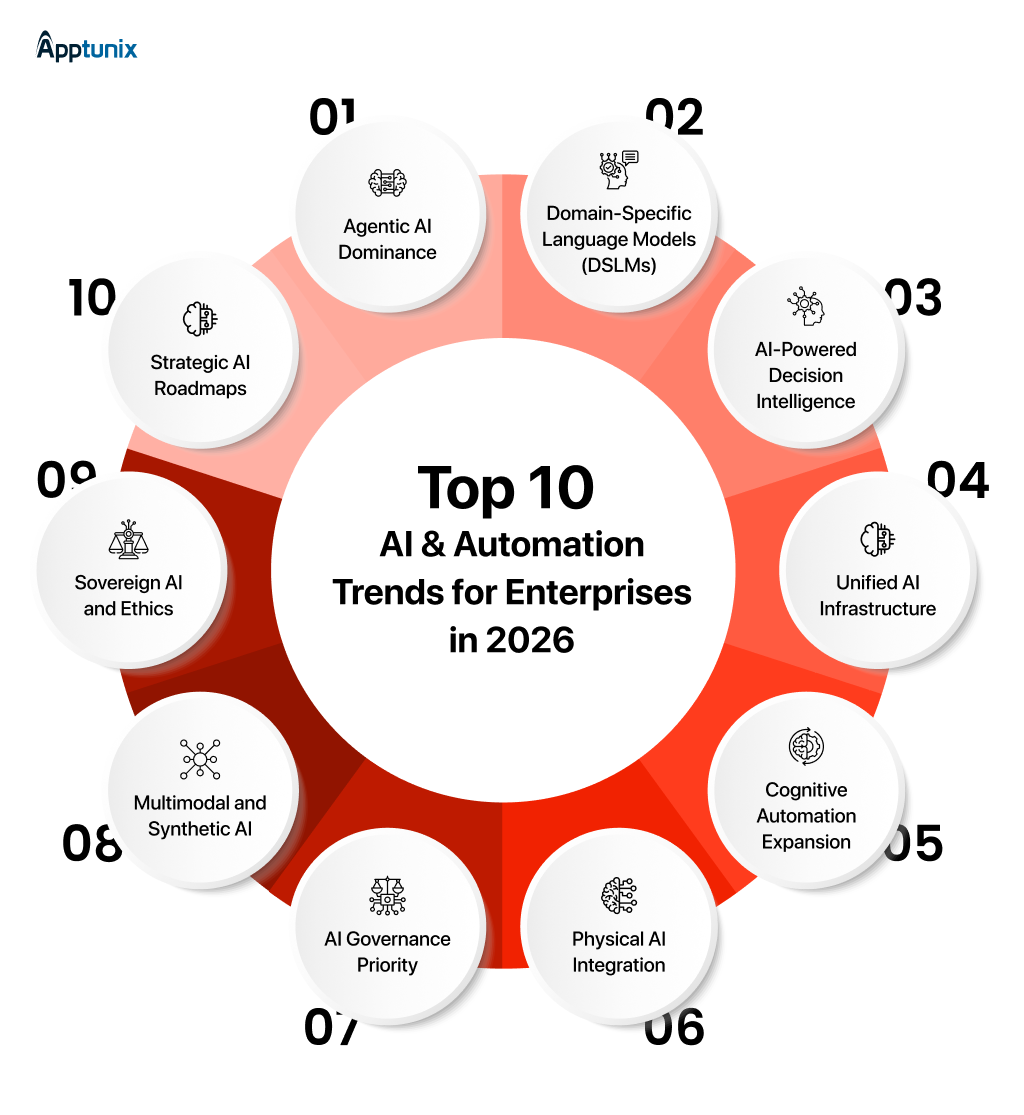
As business start modernization jobs, it's essential to not just concentrate on current needs however likewise to keep an eye on emerging trends that will shape the future of business applications. Remaining ahead of these patterns can assist organizations in the future. Artificial Intelligence (AI) is poised to considerably affect the future of enterprise applications.
Mastering the 2026 Landscape of Digital Convergence
How Strategic Modernization Future-Proofs the Digital Estate
As AI continues to evolve, its integration into enterprise applications will become significantly critical for preserving competitive benefit. Big information analytics is important in drawing out actionable insights from vast quantities of data. In modernized applications, huge data tools and technologies drive innovation and support data-driven decision-making. Enterprises that leverage big information effectively can open brand-new opportunities for development and efficiency.
Integrating IoT into modernized systems provides challenges, such as managing the intricacy of information streams and ensuring security throughout connected devices. Adopting a cloud-first technique for software application advancement likewise provides challenges, consisting of data migration, security concerns, and managing cloud costs.
A mobile-first design method concentrates on creating applications that provide a smooth user experience on smart devices and tablets. It is significantly necessary to support a mobile workforce and engage customers on their chosen gadgets. By understanding and accepting these trends, enterprises can much better position themselves for future success, guaranteeing that their applications remain appropriate and efficient in an ever-evolving digital landscape.
AI-Driven and Legacy Ecosystems Compared
Through its AI-driven architectural observability platform, vFunction instantly reverse-engineers monolithic applications, producing a comprehensive map of the architecture. This process assists you understand the complexity of your tradition systems, identifying the interdependencies and possible traffic jams that could prevent modernization efforts. This comprehensive overview is crucial for making informed choices on where to focus modernization efforts for optimal effect.
The tool's capability to create actionable insights with lined up jobs and prioritize them by company initiatives allows enterprises to take on the most important parts for app modernization projects initially, ensuring that the change lines up with the organization's strategic priorities. By leveraging vFunction, companies can attain a smoother transition, minimizing downtime and avoiding the typical mistakes related to complicated tradition application modernization jobs.
Business application modernization is; it's a continuous strategic need in today's fast-evolving digital landscape. By continually modernizing tradition systems, enterprises can open new levels of dexterity, enhanced security, and effectiveness. This digital transformation likewise permits organizations to better fulfill consumer demands, adjust to market modifications, and capitalize on emerging innovations such as AI and cloud computing.
To explore how vFunction can assist you with pragmatically executing your modernization strategy, call our group today. Perform your modernization technique with vFunction.
Many businesses are planning to improve their IT in 2025. To respond to these concerns, TierPoint surveyed 400 IT leaders to discover modernization patterns affecting crucial decision-making.
Boosting Business ROI Through Cloud Modernization
Download the eBook to find 5 IT modernization patterns that can assist you assist your digital transformation. The Leading Modernization Concern for Services The Modernization Efforts increasing The Biggest Modernization Challenge for Organizations.
Innovation portfolio modernization and rationalization is the top DX challenge for CIOs today. IT companies require to develop an IT modernization and justification plan that aligns with their general DX method. Based upon IDC's research, 83% of business are rationalizing their innovation infrastructure; nevertheless, only 35% report that their method to rationalization works.
Key is establishing a balance between tradition and modern techniques in a constant change process for IT, considered that few companies can remove all existing systems and start fresh. Peer suggestions and considerations for functions and procedures, operation plans, data services, system construct paradigms and facilities technologies are included.
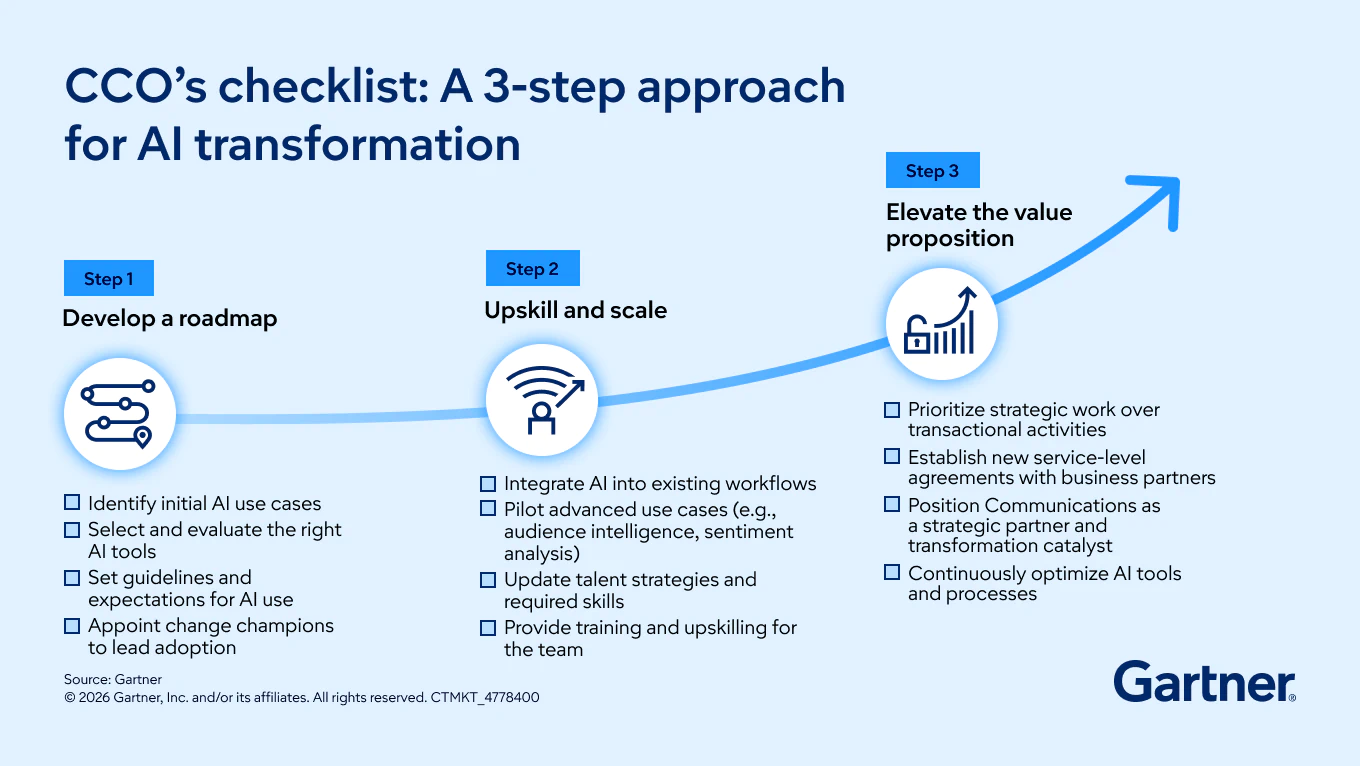
The Complete Playbook for 2026 SuccessThe Comprehensive AI Adoption Blueprint for Success
IDC thinks that from a practical and service perspective, modernization and rationalization enable IT to deliver innovative digital transformation products and competitive IT services at optimal cost. To better achieve economic and organization benefits, CIOs require to focus on modernization, not just rationalization. To undergo the modernization of your facilities for the digital enterprise, the company requires to take the following actions: Develop the metrics that measure the effectiveness of your facilities modernization program Establish a constant process for IT infrastructure modernization Improve IT infrastructure utilizing more recent "construct and release" paradigms Reinvent talent and procedures to decrease threat and accelerate the advancement and implementation of business applications Change IT governance and operations.

Latest Posts

Optimizing ROI Via Cloud-First AI Workflows

Mapping the Long-Term Outlook of Business Systems
A Comprehensive Artificial Intelligence Adoption Roadmap for Success