All Categories
Featured
Charting Your AI-Cloud Strategy for 2026
Table of Contents
In other locations, security issues and low self-confidence restrict what people can utilize, which holds AI back. Many companies have actually turned to Microsoft AI services to satisfy these challenges.
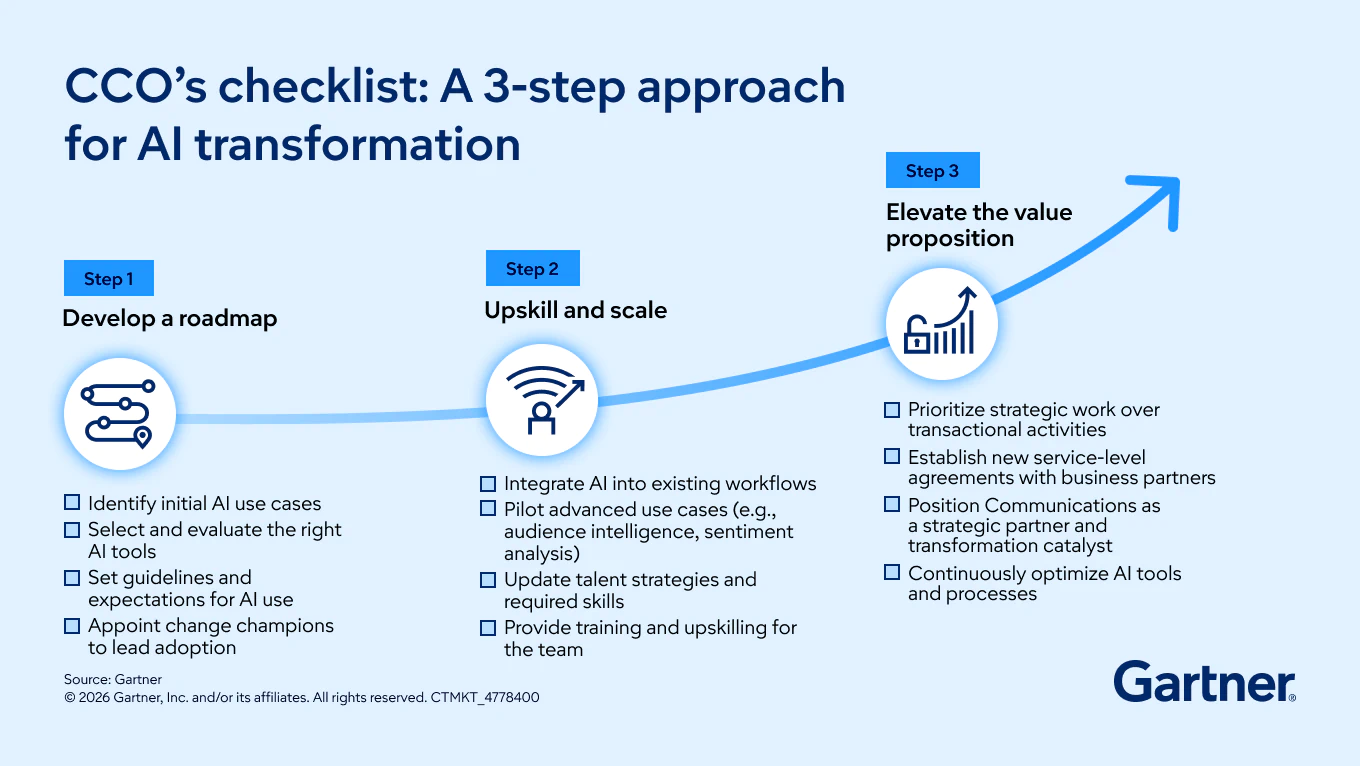
Produce an AI method that fits your business needs by working through the choices in the following sections in sequence. This action defines how choice makers find where AI can enhance organization results across the organization.
The list doesn't need to be exhaustive, though it can be. Its purpose is to offer everybody a common view of what matters most to the business. Work through it in order so that every use case traces back to real value. Try to find where the organization needs much better outcomes before you consider AI at all.
How AI-Cloud Convergence Is Vital for 2026
Frame the search in plain terms such as "where do outcomes miss expectations" or "where do individuals hang around on recurring jobs." This technique keeps AI pointed at value instead of novelty. Tradeoff: A broad scan surface areas many opportunities, so stay focused on the result spaces that are both measurable and meaningful.
Tradeoff: Early circumstances tend to be unclear, so improve them into clear and actionable descriptions before you proceed. Classify each use case based on how it creates value. Use this decision to guide later innovation choices. These utilize cases enhance how people or teams work inside existing tools. Examples include writing help or meeting preparation.
These utilize cases change how the organization operates or provides worth. They often require integration with other systems and can combine more than one AI type.
Leading Enterprise Shift Through Strategic Adoption RoadmapsYou have the flexibility to adjust it later on. produces outputs that can vary even for the same input, and it works well when inputs are disorganized such as natural language or documents. It fits cases where the workflow isn't repaired and where you desire the system to develop material or assist a human choice.
Apply this same sequence across every company area. A repeatable circulation minimizes confusion, prevents you from reaching for generative AI where it isn't needed, and prepares you to pick a service course next.
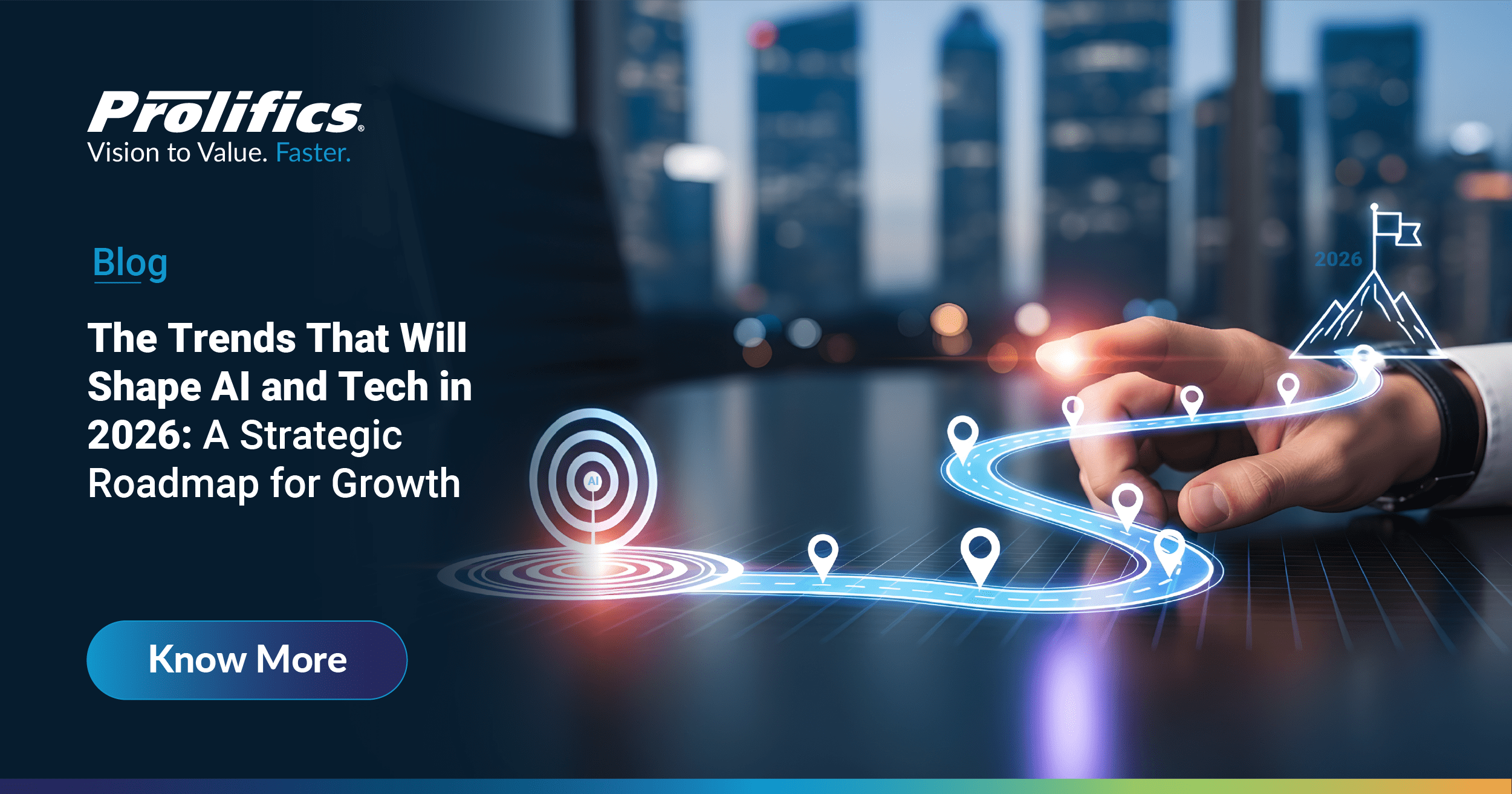
Leading Enterprise Shift Through Strategic Adoption RoadmapsNavigating an AI Roadmap for 2026
Microsoft offers 4 adoption designs that trade modification for simplicity under a shared responsibility approach. They are ready-to-use Copilots, low-code SaaS development, managed PaaS development, and Azure infrastructure. As you move from the first design to the last, you gain control and quit speed. Each technique needs a different level of technical skill and returns a various degree of control.
Utilize the following guidance to weigh 4 elements for AI solution: Evaluation the capabilities of Microsoft and Azure AI solutions to see if they satisfy the needs of your usage case. Validate the required data exists and is accessible for the circumstance. Confirm that each use case is achievable with existing abilities before you pick an option.
Microsoft ready-to-use AI services, called Copilots, raise performance quickly since they need little setup and work with data you currently have. Microsoft 365 Copilot includes AI assistance throughout Workplace apps. In-product and function based Copilots focus on specific task roles and industries.: Copilots deliver the fastest outcomes, but they use less modification than a custom service.
Service Yes. Data-connection and plug-in options are offered.
Moving From Old Systems to AI-Ready Cloud Infrastructure
Private No None Free Microsoft offers SaaS development alternatives to construct AI representatives. Copilot Studio lets organization users create AI assistants with natural language, while Microsoft 365 Copilot extensions let you customize enterprise Copilot with company-specific data and procedures.

Latest Posts

Optimizing ROI Via Cloud-First AI Workflows

Mapping the Long-Term Outlook of Business Systems
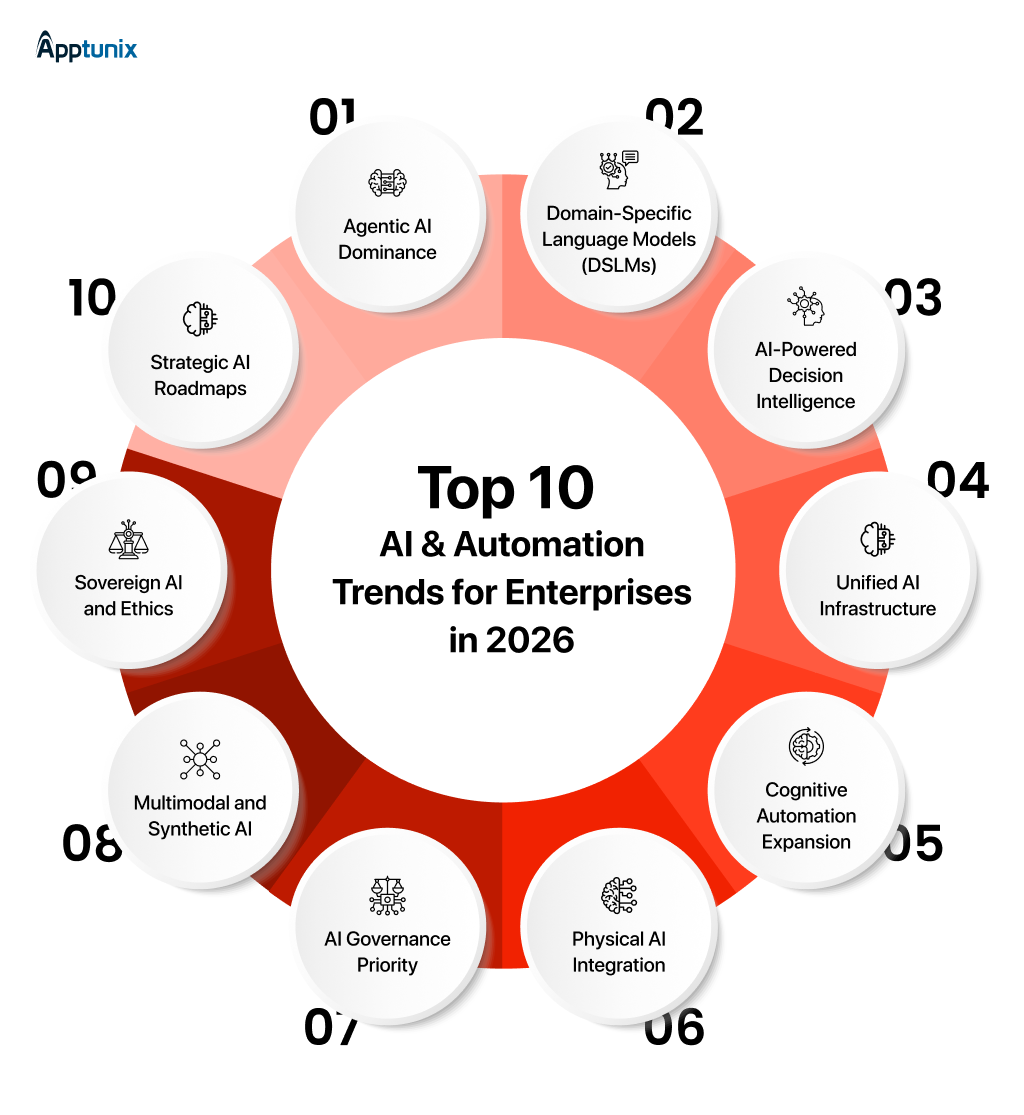
A Comprehensive Artificial Intelligence Adoption Roadmap for Success